In March 2019, terrorists attacked worshippers during Friday prayers at the Al Noor Mosque and at the Linwood Islamic Center. 51 parents, children, friends, and relatives were killed in the incident, while 50 were injured. The survivors and relatives of the victims were left with bad memories from the event – fear and death.
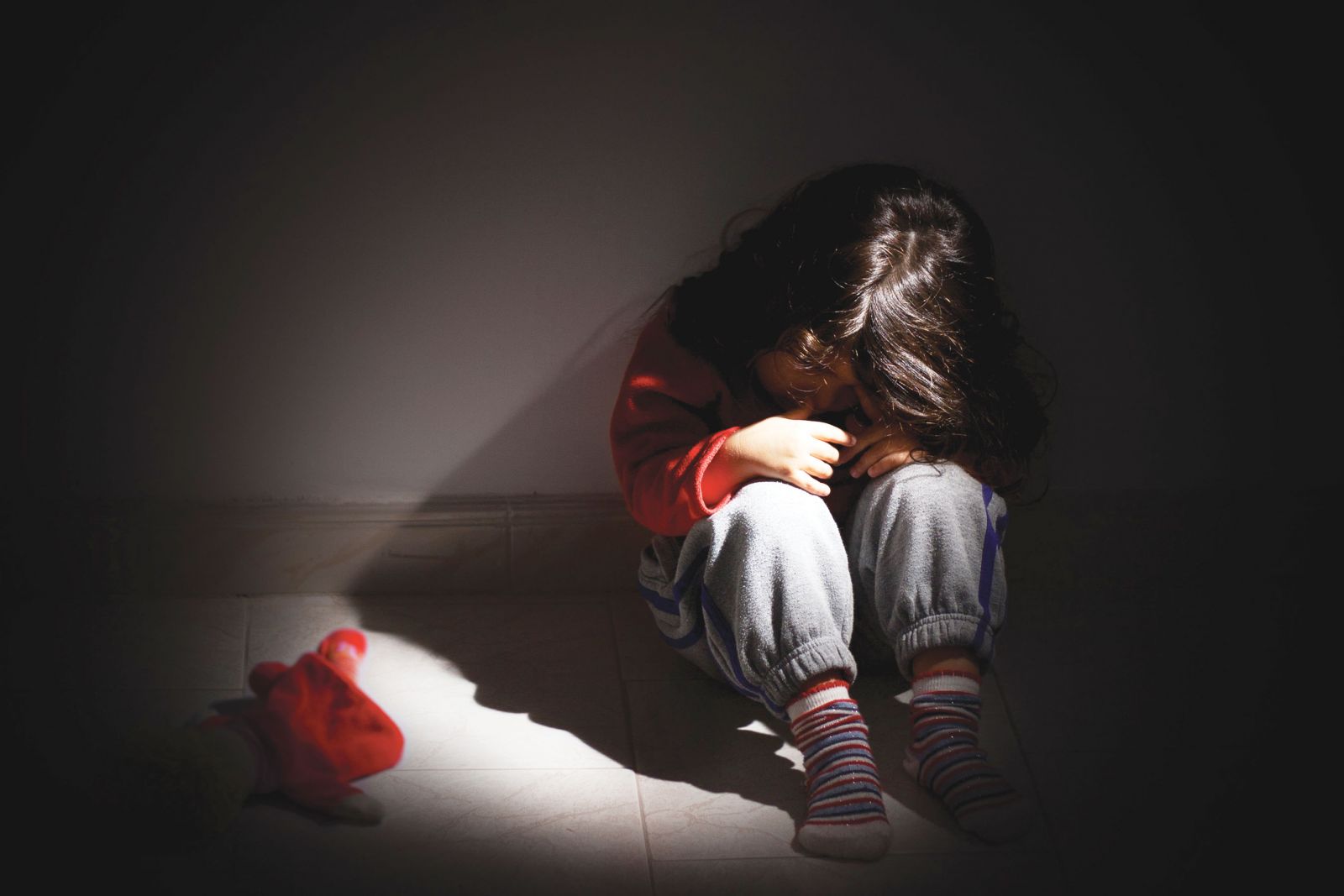
Post traumatic stress disorder encompasses jittery feelings, sleeping problems, concentration issues, and anxieties that develop when people experience terrifying, harmful, or upsetting events. Any form of extreme stress can develop into PTSD. This is especially impactful when we learn about unexpected death, violence, or injury of people close to us, such as family members, friends, and colleagues. It is imperative to note that PTSD can also occur following an extreme exposure to traumatic events. This is common with soldiers, firemen, and abused people.
Prevalence
Statistics shows that many people, especially teenagers, experience PTSD at some stage of their lives. While it is commonly associated with servicemen and women, children and teens experience PTSD after witnessing violence. While there are no specific PTSD figures on teens by the Ministry of Health NZ, reports shows that the mental health illness should be expected by anyone at any age.
Causes
When exposed to a stressful or a dangerous situation, the body respond by releasing hormones that trigger the body to fight or flight. That is, the body chemicals produced prepare the body to wither fight the danger or run away from it. Generally, when the danger is out, the body retracts to its normal functioning. Even so, when a person has PTSD, the threat makes their system fail to switch back to its normal functioning.
People who experience PTSD have a history of violence and assault, for example sexual abuse, physical abuse, bullying, and other violent acts such as mass shootings. For example, survivors of the two mosque shootings in Christchurch, New Zealand, who had witnessed blood and death are likely to have flashbacks of the event, causing them great fear. Both natural and manmade disasters can cause PTSD. Relieving an experience, for example, hearing an explosion or witnessing another person going through similar traumatic events, can also trigger PTSD. Specifically, anniversaries of events trigger unpleasant memories and emotions.
Warning signs
When someone behaves unusual, be watchful. For the most part, PTSD symptoms develop within the early months and/years of exposure to a traumatic experience. These symptoms can go and return. People with PTSD relive the traumatic event, and this occurs through flashbacks, nightmares, and mental images of the event. You will also notice a friend or yourself avoiding things that remind of the traumatic experience. Such people tend to avoid places, activities, or people that remind them of those events. According to MentalHealth.org, you should watch out for teens who avoid talking about those events.
Some young people may go into emotional numbness or feel detached. They perceive the world negatively, and do not trust anyone or anything. Researchers argue that the numbness occurs as a result of hormones in the brain. Moreover, people with PTSD may demonstrate anxiety. They can be edgy, irritable, or jumpy when exposed to traumatic events. As a result, they find it difficult to lead a normal lifestyle. They may lack sleep or indulge in wireless behavior such as alcohol and illicit sex to numb their fear.
PTSD is also accompanied by outcomes that can be as warning signs for the mental health condition. For example, with PTSD an individual or his or her family find it difficult to function normally. They are not able to meet their basic needs or attend to their daily living activities. Among other things, victims may fail to take care of their hygiene or relate well with other family members. Such families are hard to live with. When the victim is startled, has nightmares, or avoids some social situations, family members may find it irritating and seeking counselling services to deal with the underlying issues.
Some caregivers also develop PTSD upon seeing their loved one suffering. By observing the family, one is able to establish the existence of PTSD in one or more family members in that household.
Treatment
The good news is that PTSD can be treated through therapies and medication. Some of these solutions can be done at home. First, counselling can offer assistance through cognitive behavioral therapy. This approach involves talk therapy, in which the therapist focuses on the trauma. During therapy session, the role of the therapist is to help young people identify and correct illogical or irrational thoughts they have about the traumatic event. Through CBT, young people are able to perceive traumatic events are memories rather than reality.
PTSD can also be addressed through writing and journaling. Writing about experiences can help with coping by translating negative thoughts and feelings into positive words that support healing. One study revealed that writing was therapeutic for traumatized children and teenagers aged between 8 and 18 years. The approach is considered effective for producing outstanding results, when augmented with other strategies, such as music, dance, or art.
Professionals also encourage developing authentic support networks. These networks such as support groups assist teens to improve their social relationships for positive mental and physical health. Authentic support network can incorporate a counsellor, family, friends, and the clergy. You can also find assistance by attending yoga classes where you meet other people fighting anxiety and fear through relaxation exercises. By regulating the body movement and breathing in an supportive environment, a calming response is initiated.
Apparently, there is no specific medication for PTSD. Even so, the medication for symptoms of PTSD such as antidepressant for depression and anti-anxiety medication for anxiety can be used to relieve of those symptoms. For teens who have gone into drugs, rehabilitation and detox can work.
Where to Seek Help in NZ
If you suspect that a friend or yourself is experiencing PTSD, don’t waste time. CALL 911 FOR HELP. You can also contact other agencies available to offer support for people with PTSD and related symptoms. One can contact Lifeline on 0800 543 354. Healthline can also offer assistance when contacted via 0800 611 116. Other organizations, such as Samaritans and Youthline can also be reached via 0800 726 666 and 0800 376 633, respectively. You can also do with patient resources accessed from Self-help guide: Post-traumatic stress by Moodjuiceand PTSD symptoms, self-help, and treatment developed by HelpGuide.org. Do not suffer alone. Share what you are going through with close friends, relatives, teachers, and people who care about you.
 nzteenmentalandwellness.health.blog