WHAT IS DEPRESSION
It is common for people to feel sad and have bad moods from time to time. This could be as a result of losing a loved one or a bad situation. Naturally, one tends to feel sad. However, depression is more intense and prolonged. It is accompanied by loss of interest and withdrawal from activities people once enjoyed especially in school. As a result, this feeling will affect how the person thinks and how they act.
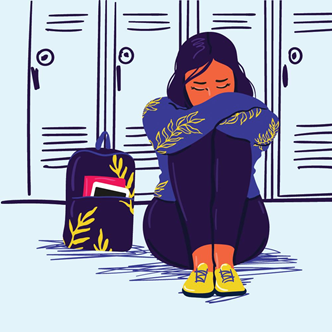
Depression is the most common mental illness in the world. Fortunately, this mental illness is treatable. Nevertheless, failure to treat depression causes increased emotional and physical problems which affect a person’s ability to work and learn in school. For instance, if depression is not treated early in children and teens it can lead to deaths (suicide) and severe mental problems. Suicides as a result of depression are the second leading cause of death in the United States and other parts of the world. In people aged 10-24, suicide is the third leading cause of death. Do not take depression lightly seek medical attention if you experience the warning symptoms listed below.
PREVALENCE
In our fast-paced society, depression can affect anyone. Depression affects approximately one in every 15 adults (6.7%). Furthermore, one in every six persons is likely to experience depression at some point in their life. However, according to Mayo Clinic, those who are at a higher risk of depression are teenagers and young adults aged 20-30. In addition, depression affects about 2% of children who go to school. More women have been diagnosed with depression than men. This is large to the fact that more women are likely to seek medical attention than men.
Nonetheless, the following factors in individuals seem to increase the risk of activating depression;
- People with certain personality traits which include, pessimistic, self-critical (always questioning one’s actions), too dependent on people or systems and low self-esteem.
- People who were recently exposed to stressful or traumatic experiences such as the death of a loved one, a tragic accident, loss of a job or financial problems and physical or emotional abuse.
- People whose family or blood relatives have a history of depression or other mental disorders such as bipolarity and suicidal tendencies.
- Unclear sexual orientation without emotional and physical support i.e. people who are gay, lesbian, transgender or variation in the sexual orientation that is not either male or female (intersex).
- People with other mental disorders such as post-traumatic stress disorder and anxiety.
- Alcoholism and other drug abuse.
- People with chronic illnesses such as cancer.
- Certain types of medication that lead to high blood pressure.
CAUSES
Depression is caused by the following factors;
- Physical abuse involving physical, sexual or emotional abuse.
- Certain medication has been known to increase the risk of depression.
- Life changing events loss of a job, divorce affecting both spouses and children.
- Other illnesses such as cancer or bipolar can lead to depression.
- Substance abuse. Almost 30% of those abusing substances such as drugs and alcohol have experienced a form of depression. Drugs temporarily help but with the pain do not make the pain go away.
- Personal problems in relationships with family and close friends. Isolation from close social groups can lead to depression.
- Genetics and a history of depression in the family can increase the risk of depression.
- Serious conflict and disputes between close people can increase depression
WARNING SIGNS
The following are warning signs and symptoms that a person may be suffering from depression.
- Feeling sad and is always moody.
- Loss of interest in activities they once enjoyed such as video games and movies.
- Trouble sleeping at night, or sleeping too much.
- Feeling worthless or guilty about everything.
- Thinking about killing yourself (suicide)
- Lack of appetite.
- Always tired and fatigued
- Giving up easily on school tasks and other activities.
- Withdrawing themselves from family and friends, preferring to be alone.
- Feeling rejected, unappreciated and unloved.
- Feelings of self-harming themselves such as using a razor to cut their hands or thighs.
As a result, many young people tend to feel the long-term effects of depression, especially when they fail to seek professional assistance and social support. Among other things, young people develop low self-esteem, and lack the confidence to interact with others. Social isolation becomes a part of their lives. The problem may translate to behavior issues, such as alcohol and substance abuse, illicit sexual behavior, and aggression. Eventually, the teen might find himself or herself getting in trouble with the legal system. Academically, the performance of a depressed teenager may be compromised. That leads to low grades in school and school drop outs. In the long-term, one may contemplate or end up committing suicide.
TREATMENT
The good news is, depression is completely treatable. In fact, according to the American Psychiatry Association, 90 percent of people with depression responded well to treatment. Almost all patients gain relief from depression. Nonetheless, treatment starts with oneself. One must diagnose themselves and be honest about the feelings experienced.
Before a patient is treated, a health professional should be consulted to provide a full diagnosis. This is because depression takes on various harmful forms such as chronic and major depression and bipolar condition. In extreme cases such as teenagers and children, depression diagnosis might require a physical examination of the patient. This is because of the harm one might have self-inflicted on themselves.
Medication
The brain and hormones contribute significantly to depression. For this reason, the antidepressants might be prescribed and help change the brain and the hormones. The effects of the antidepressants might be felt for a period of 5 weeks. After that, the patient feels little or no change. However, the psychiatrists usually recommend that patients take medication for 6 or more months to enable. Long term medication is important for patients to heal completely.
Psychotherapy
This is also known as talk therapy. This is used for treating mild cases of depression. For extreme cases of depression, psychotherapy is usually accompanied by antidepressants. Therapy can be done alone or with help from close family and friends.
Self-Help
There are a couple of things a person can do to reduce the depression warning symptoms. For instance, avoiding drugs and alcohol, eating healthy diets, quality sleep, and exercise. These actions could improve your overall mood and help in balancing hormones in the brain.
WHERE TO SEEK HELP IN NZ
Depression is a real illness. Luckily it is treatable. With evaluation (diagnosis) and treatment, most people with depression will overcome it.
If you are experiencing warning signs of depression, a first step is to see your family physician or psychiatrist. Talk about your fears and ask for an evaluation. CALL 911 FOR HELP. You can also get help by contacting the following institutions. Contact 1737 Need to talk? via free call or text to 1737 any time to obtain support from a trained counselor. Lifeline via 0800 543 354 or (09) 5222 999 for assistance within Auckland. The Youthline via 0800 376 633, free text on 234 or email talk@youthline.co.nz or online chat. What’s Up can also help by contacting them on 0800 942 8787 (for 5 to 18-year-olds). The organization offers telephone counseling during the weekdays, but are available online daily between 7 pm and 10 pm. Kidsline is open 24/7 via 0800 54 37 54 (0800 kids line) for all teenagers up to the age of 18. You may also get help in religious centers, such as church and mosque.
 nzteenmentalandwellness.health.blog